

Menu

Blog

Shopify + Marketplaces: How to Sell Everywhere From One Place

TL;DR
• Shopify’s built-in export tools generate basic product data files – not channel-ready feeds. Every major marketplace will reject a raw Shopify export without transformation.

• Connecting Shopify to marketplaces like bol.com, Amazon, and Zalando requires API-based integration, not just a product file upload.

• Order sync brings marketplace orders directly into your Shopify dashboard – so your team processes all orders in one place, regardless of which channel they came from.

• Your product feed must contain correctly formatted GTINs, channel-specific titles, accurate pricing, and real-time stock levels. Missing any of these causes disapprovals or overselling.

• The recommended setup sequence is: feed management first, then marketplace integration, then order and inventory automation – one channel at a time.

Shopify is one of the most popular e-commerce platforms in the Netherlands, Belgium, and across Europe – and for good reason. It is fast to set up, reliable to run, and straightforward to manage. But Shopify was built to run your own webshop. Selling on bol.com, Amazon, Zalando, or Google Shopping from the same backend requires a layer of infrastructure that Shopify does not include out of the box.

This guide explains exactly what Shopify can and cannot do natively for multichannel selling, how to connect your Shopify store to the marketplaces that matter for your market, and what the full setup looks like from first product feed to automated order management.

Continue reading -> Continue reading →
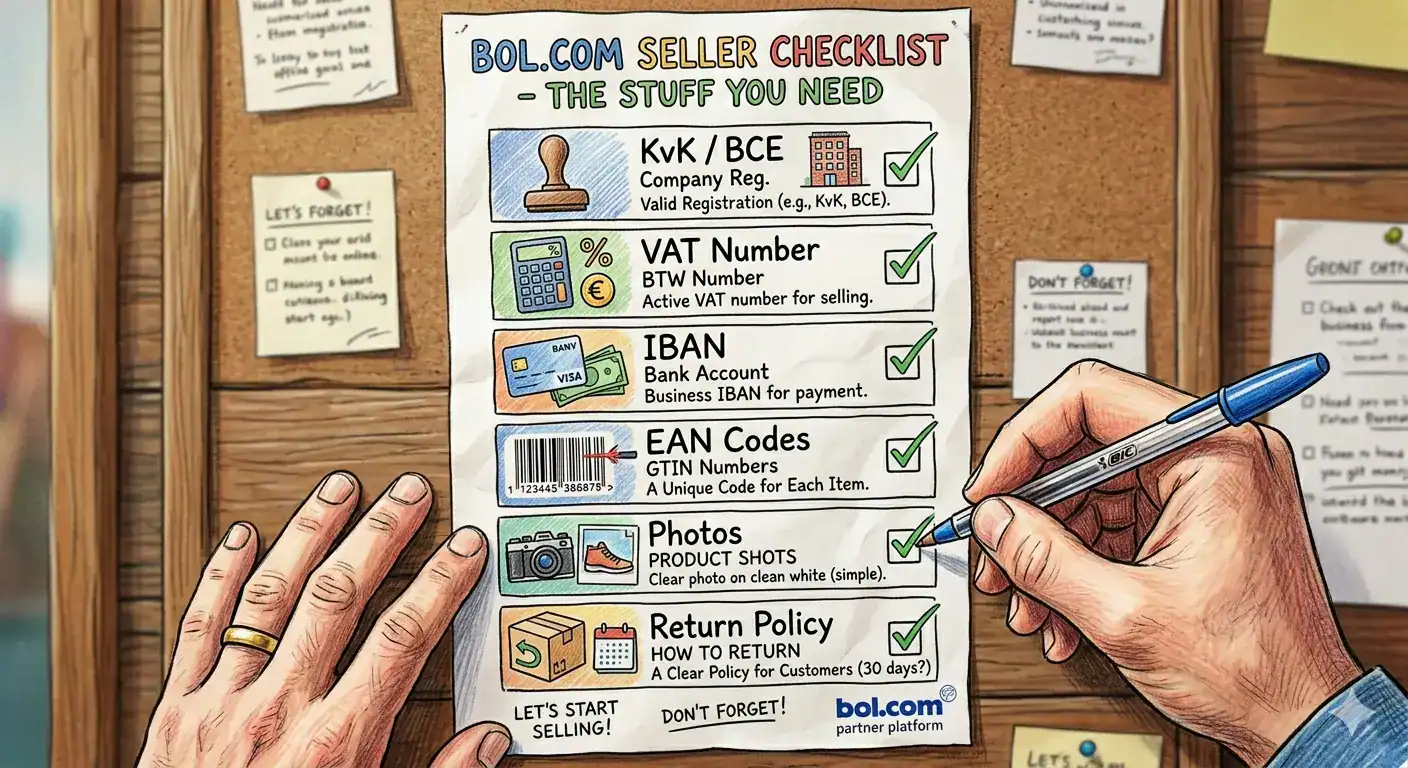
The Complete Guide to Marketplace Integration

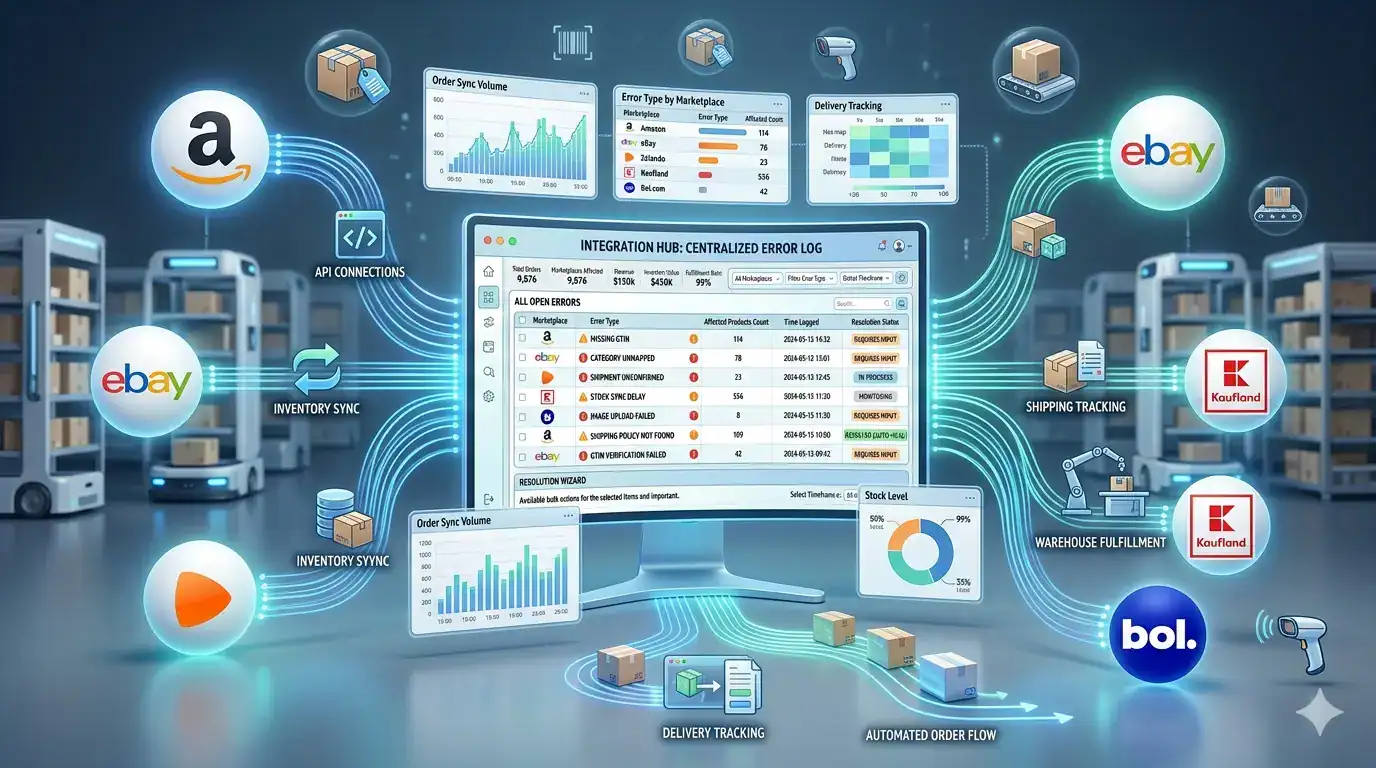
Selling on a marketplace is not the same as submitting a product feed to an advertising channel. When a customer buys from you on bol.com or Amazon, a commercial transaction happens that your store needs to know about, fulfil, and confirm – and the marketplace needs to receive real-time stock updates to prevent the next customer from ordering something you no longer have. This two-way operational relationship is what marketplace integration is built to manage.

This guide covers everything you need to understand about how marketplace integration works – the technical foundations, the order and inventory sync mechanics, returns handling, and the specific errors that cause the most disruption for sellers operating across multiple channels simultaneously.

Continue reading -> Continue reading →

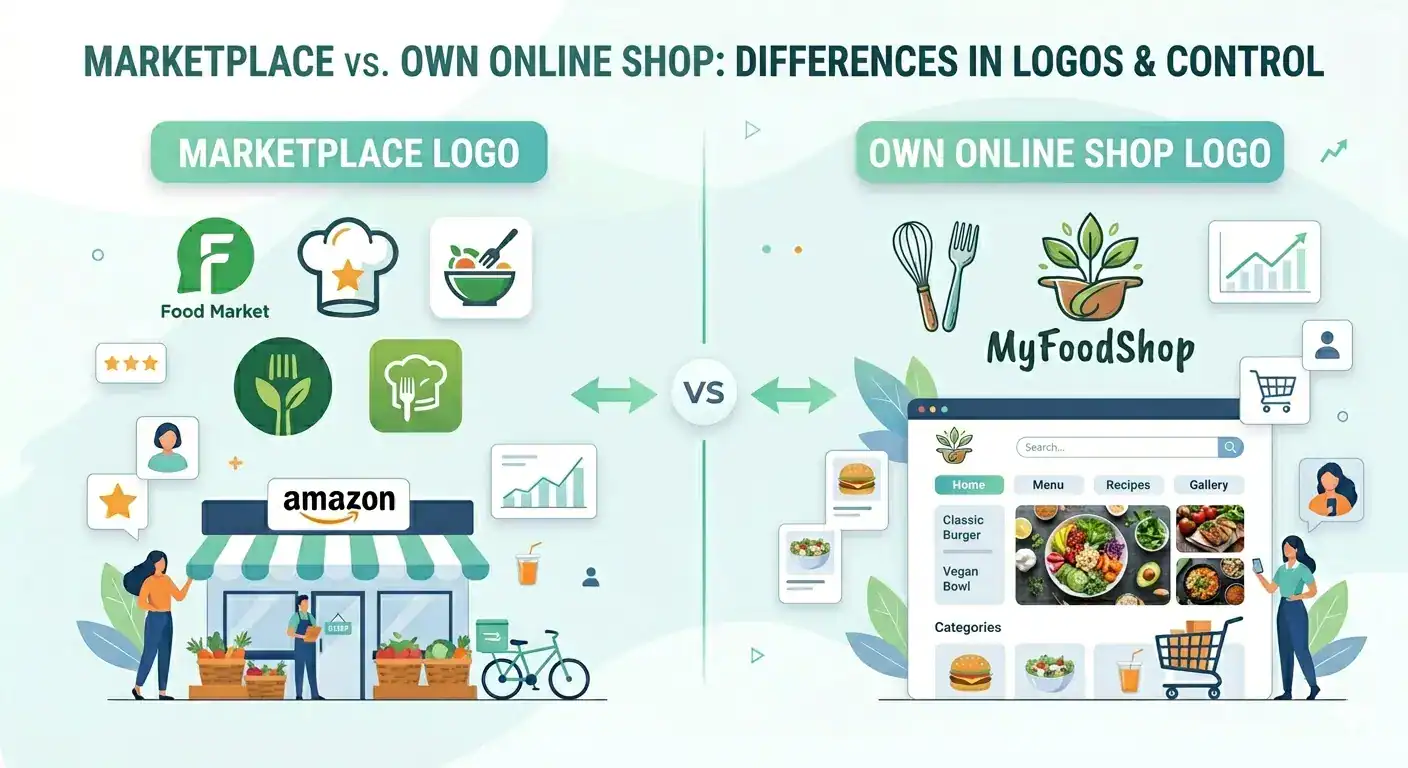
Selling on Marketplaces vs. Running Your Own Webshop: What Every Online Store Needs to Know

Key Takeaways

The debate between selling on marketplaces and running your own webshop is one of the most common decisions online merchants face and most advice oversimplifies it. The honest answer depends on your product margin, your category, and how much operational complexity you can handle.

This guide walks through the real trade-offs on both sides: reach, cost, customer loyalty, product fit, and what it takes to run both channels at once without doubling your workload.

Continue reading -> Continue reading →
Why Your Facebook Ads Are Showing Wrong Prices and Out-of-Stock Products

Minimal workspace illustration showing a webshop product feed connected to Facebook Commerce Manager, with automated product synchronization, dynamic Facebook ads, pricing data, and e-commerce analytics on a clean light background.

Key Takeaways
Facebook reads your product data from a feed file – not live from your store. If the feed is stale, your ads are wrong. The gap between your store and your Facebook catalog can be minutes or days, depending on your setup. A dynamic feed that updates every 15 to 30 minutes keeps prices, stock, and availability accurate.The most common fix is enabling scheduled feed fetching in Facebook Commerce Manager.Feed management tools automate this process and eliminate manual errors entirely.

Facebook and Instagram ads collectively reach over 3.2 billion people monthly, making them one of the most powerful channels for e-commerce merchants. But a poorly maintained product feed turns that reach into wasted spend. Merchants running dynamic product ads with outdated feeds report losing 15 to 30% of their daily ad budget to clicks on unavailable or mispriced products.

This article explains exactly why it happens, what a product catalog feed is and how it works, and how to fix the most common feed sync issues – step by step.

Continue reading -> Continue reading →
7 Mistakes That Destroy Your Google Shopping Performance (And How to Avoid Them)

If your Google Shopping campaigns are not delivering the results you expect, the problem is usually not your bids or your budget. In most cases, it is your product feed. Feed quality issues account for the majority of underperforming Shopping campaigns yet most merchants never look there first. This guide walks you through the 7 most damaging mistakes, explains exactly why each one hurts you, and shows you how to fix them.

Continue reading -> Continue reading →

Why Your Products Keep Going Out of Stock on Marketplaces (And How to Fix It)

TL;DR

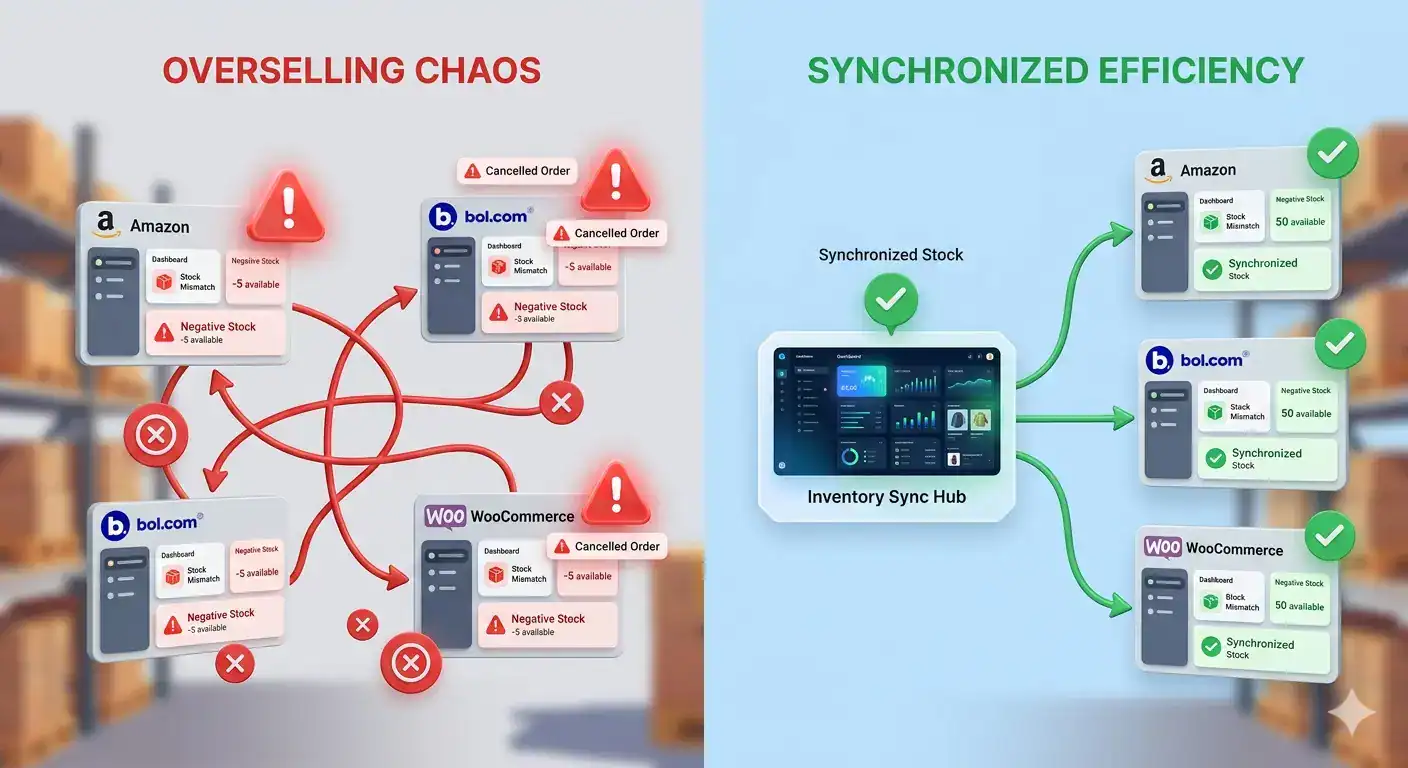
  • Overselling happens when stock levels aren’t synced fast enough across your sales channels.
  • A single out-of-stock incident on bol.com or Amazon can result in account warnings, lost Buy Box position, and cancelled orders.
  • Manual stock management breaks down once you sell on 2 or more channels simultaneously.
  • Automated inventory sync updating every 5 to 15 minutes is the only reliable way to prevent overselling at scale.
  • Tools like Koongo synchronise your stock across 500+ channels automatically, with no manual work required.
Continue reading -> Continue reading →
Unleash your sales potential with Kaufland Global Marketplace – Your ticket to international markets!

Imagine your products reaching customers across Europe and generating more revenue –with only one registration needed. Kaufland Global Marketplace offers an all-in-one solution to help you rapidly grow your business both domestically and internationally, without significant resource costs. This multi-marketplace technology allows you to centrally manage all offers, orders and product data from a single portal.

Register now and start selling on one of the best marketplaces for international success!

Use Promo code: KOONGO26. It’s valid from January 27, 2026 to March 31, 2026 and activates 3 months without a basic fee when registering.

Continue reading -> Continue reading →
How to Sell on Spartoo Marketplace

In the highly competitive landscape of fashion eCommerce, Spartoo has carved out a powerful niche as one of Europe’s most prominent and specialized marketplaces. Founded in 2006 as a leading online footwear retailer, Spartoo has evolved into a full-featured marketplace platform, welcoming sellers from across Europe and beyond.

Continue reading -> Continue reading →

Top Emerging Marketplaces in Germany for 2026: Where to Be Selling

Germany’s online retail market is entering a period of renewed strength and transformation in 2025–2026. After several years of slower growth, recent reports show online sales rose to approximately €88.8 billion in 2024, a 3.8% increase over 2023. Growth is forecasted to continue in 2025, with revenues projected at around €92.4 billion. Much of this momentum is driven by one major force: marketplaces.

Continue reading -> Continue reading →

Sell everywhere with Koongo

or contact us for more details