Google Shopping drives over 85% of all retail paid search clicks in most European markets. For online merchants selling physical products, it is typically the highest-volume paid acquisition channel available and the quality of your product feed determines how much of that traffic you actually reach.
This guide covers everything you need to set up a Google Shopping feed from a WooCommerce or Shopify store: what a feed is, which attributes Google requires, how to get your feed into Google Merchant Center, what errors to fix, and how to keep your feed performing over time. If you are setting this up for the first time, work through the sections in order. If you are troubleshooting an existing feed, jump to the error reference table.
(more…) Continue reading →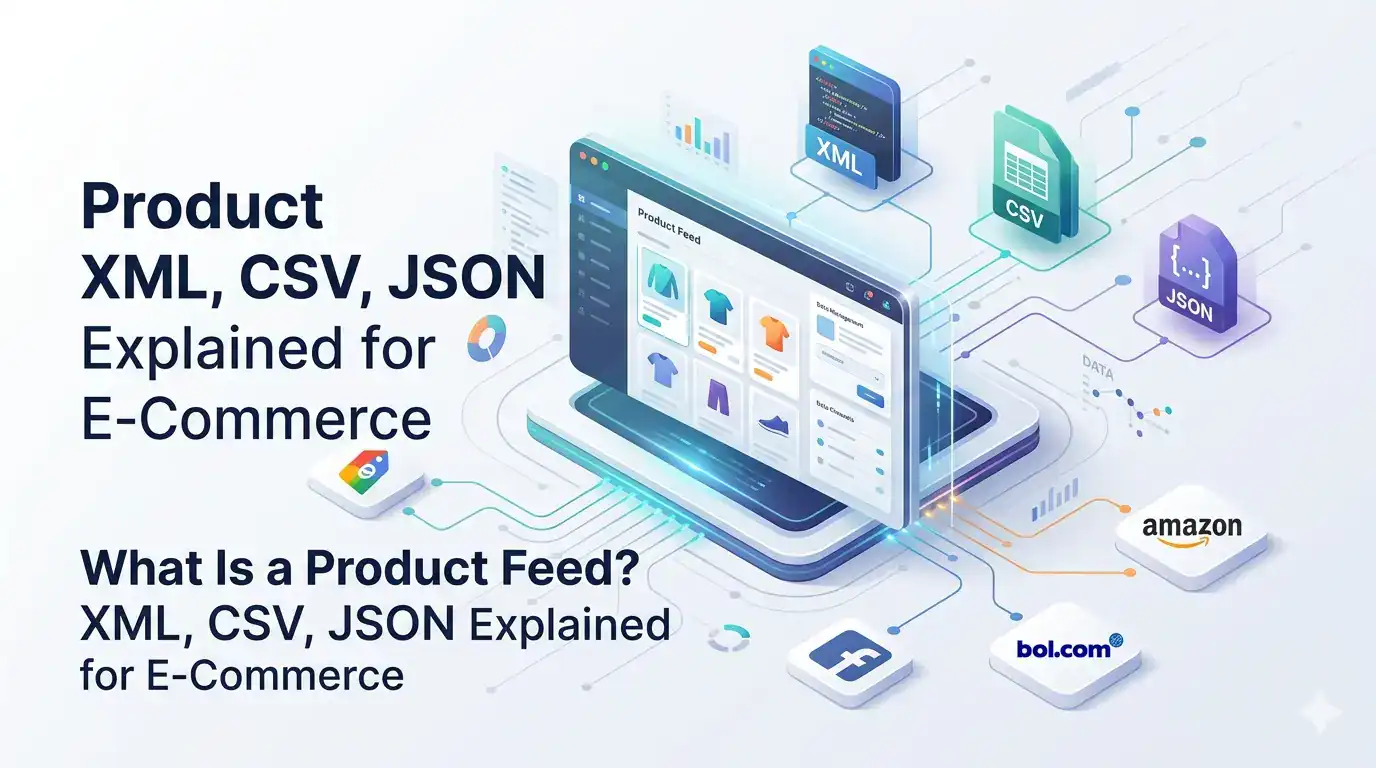
Every time your product appears on Google Shopping, bol.com, Facebook Ads, or a price comparison site, it got there through a product feed. The feed is the file that carries your product data from your store to the channel – and the quality of that file determines whether your products get approved, rank well, and convert.
Most e-commerce merchants have heard the term but are fuzzy on exactly what a feed contains, why formats differ across channels, and what “feed optimization” actually means in practice. This guide answers all of it in plain language no technical background required.
(more…) Continue reading →
Most online merchants underestimate how much time they spend managing product data – and almost all of them underestimate what it costs when that data is wrong. A store with 300 products selling across three channels – its own webshop, bol.com, and Google Shopping – has up to 900 separate product records to keep consistent. Every price change, stock update, description edit, or image replacement needs to happen in three places, in the right format, at the right time.
At small scale, this is annoying but manageable. At medium scale, it becomes a source of daily errors. At larger scale, it actively limits your growth – because every hour spent on manual data work is an hour not spent on sourcing, marketing, or customer experience.
This article puts concrete numbers on the problem, explains the mechanisms through which manual data management causes damage, and shows what a systematic alternative looks like.
(more…) Continue reading →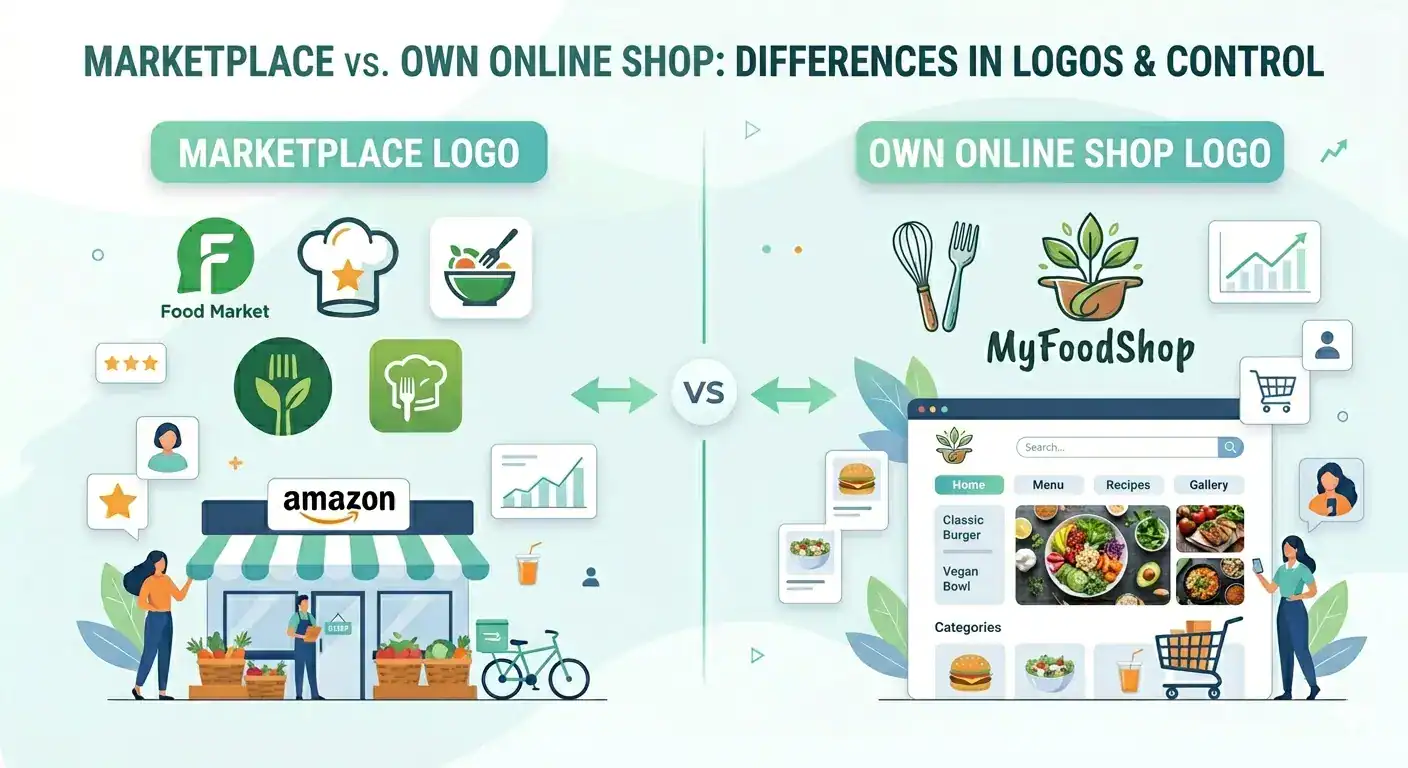
The debate between selling on marketplaces and running your own webshop is one of the most common decisions online merchants face and most advice oversimplifies it. The honest answer depends on your product margin, your category, and how much operational complexity you can handle.
This guide walks through the real trade-offs on both sides: reach, cost, customer loyalty, product fit, and what it takes to run both channels at once without doubling your workload.
(more…) Continue reading →
Key Takeaways
Facebook reads your product data from a feed file – not live from your store. If the feed is stale, your ads are wrong. The gap between your store and your Facebook catalog can be minutes or days, depending on your setup. A dynamic feed that updates every 15 to 60 minutes keeps prices, stock, and availability accurate.The most common fix is enabling scheduled feed fetching in Facebook Commerce Manager.Feed management tools automate this process and eliminate manual errors entirely.
Facebook and Instagram ads collectively reach over 3.2 billion people monthly, making them one of the most powerful channels for e-commerce merchants. But a poorly maintained product feed turns that reach into wasted spend. Merchants running dynamic product ads with outdated feeds report losing 15 to 30% of their daily ad budget to clicks on unavailable or mispriced products.
This article explains exactly why it happens, what a product catalog feed is and how it works, and how to fix the most common feed sync issues – step by step.
(more…) Continue reading →