It’s not long since the launch of Kaufland.nl in the Netherlands – and now the Spanish Kaufland marketplace is live too! This makes Kaufland Global Marketplace the largest marketplace network from Europe! The all-in-one solution now offers access to a total of nine markets and a potential 220 million online customers – all with just one registration. The best part – you manage all offer, product and order data from one portal. This keeps the extra effort required for each additional marketplace to a minimum.
(more…) Continue reading →
Your customers have started asking ChatGPT what to buy. “A carry-on backpack that fits under the seat,” “a quiet fan for a small bedroom,” and the assistant may answer with real products: images, prices, and a link to a store. Accurate product data helps ChatGPT understand what you sell, and a product feed is the structured way to supply it. Submitting a feed doesn’t guarantee that your products appear in any given answer, but without one, ChatGPT has nothing reliable to work with.
(more…) Continue reading →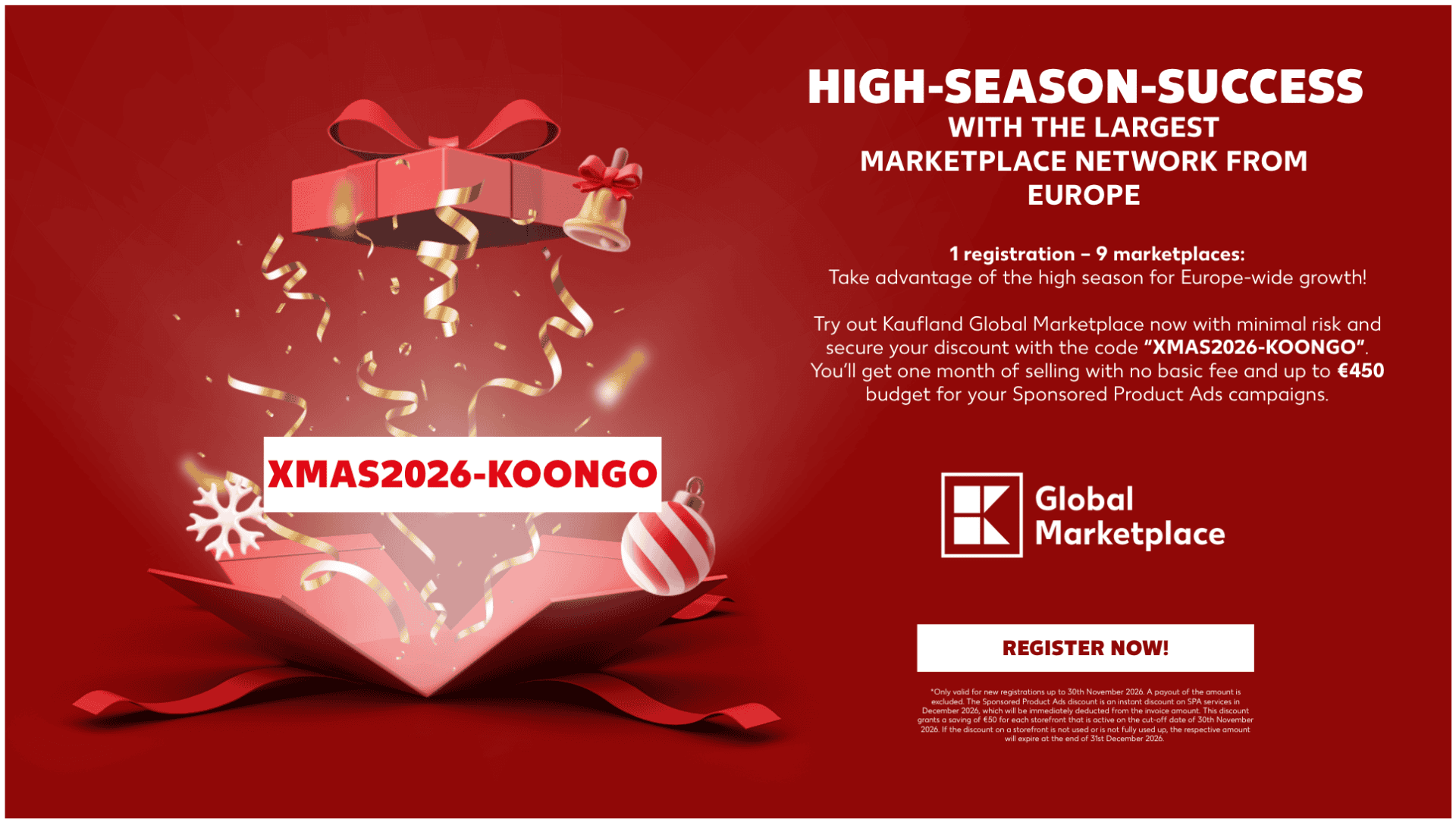
Sell on up to 9 new marketplaces during the high season (with just one registration!) – start with Kaufland Global Marketplace now during the busiest time of the year and reach up to 220 million new online customers with just one account!!
Whether you’re a seller, a brand, or a global player – offer your products nationally and/or internationally in Germany, France, Italy, Spain, the Netherlands, Poland, Austria, the Czech Republic, and Slovakia, and expand your reach to tap into additional (cross-border) potential during the high season. On the Kaufland marketplaces, you can achieve immediate success even without extensive e-commerce experience.
(more…) Continue reading →
Expanding to a new marketplace shouldn’t cost you hours of listing work. NordicSneakers, a fast-growing Danish sneaker marketplace, lets you list with just a SKU and a size, then builds and markets the product pages for you. Here’s how selling on NordicSneakers works, who it suits, and how to run it alongside your other sales channels without overselling.
(more…) Continue reading →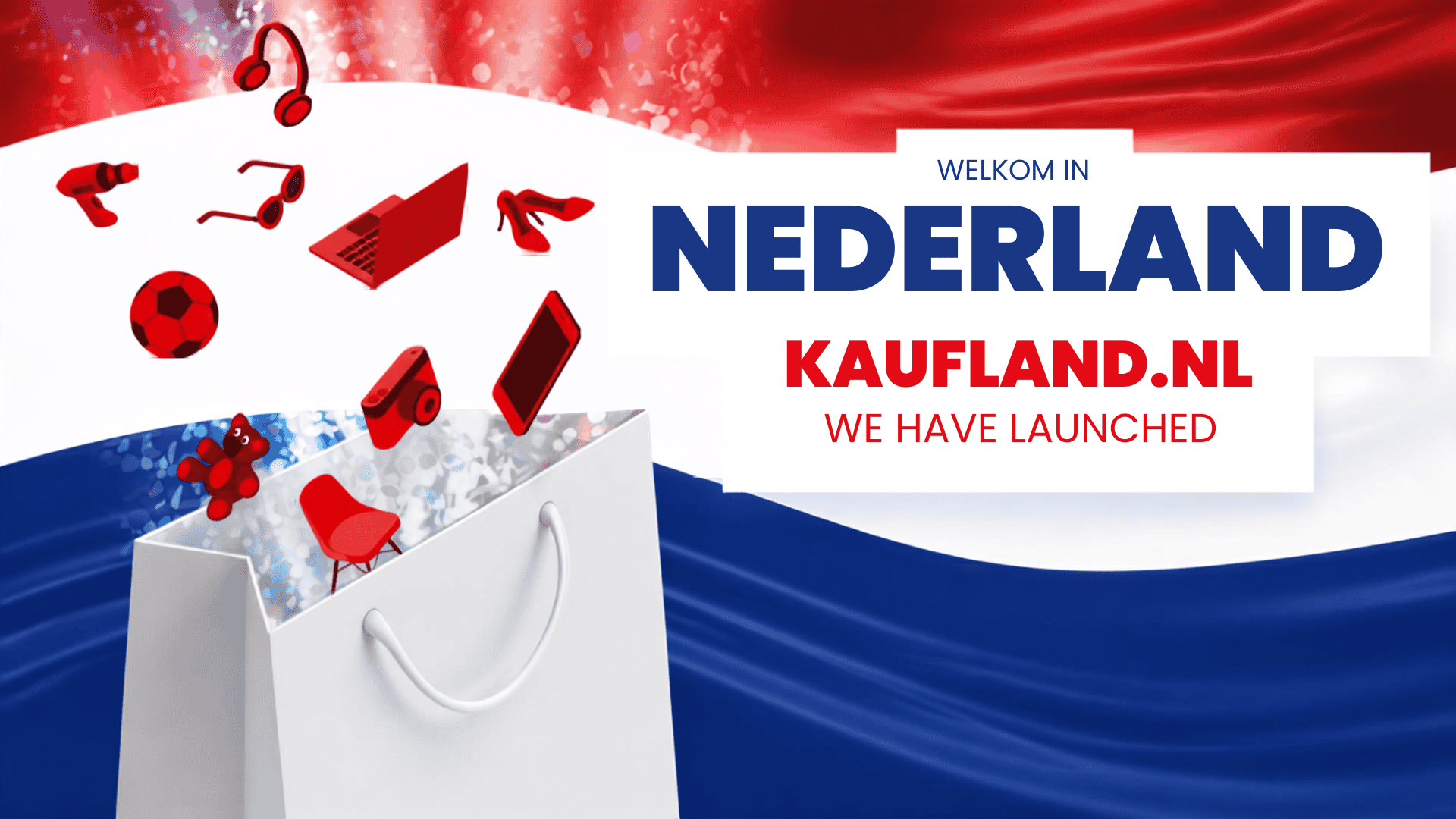
The new Kaufland marketplace for the Netherlands is now live!
With just a single registration, Kaufland Global Marketplace sellers can now offer their products across eight European countries and reach up to 185 million potential customers.


 EN
EN